







Search Results for: Master Kong Iced Black Tea
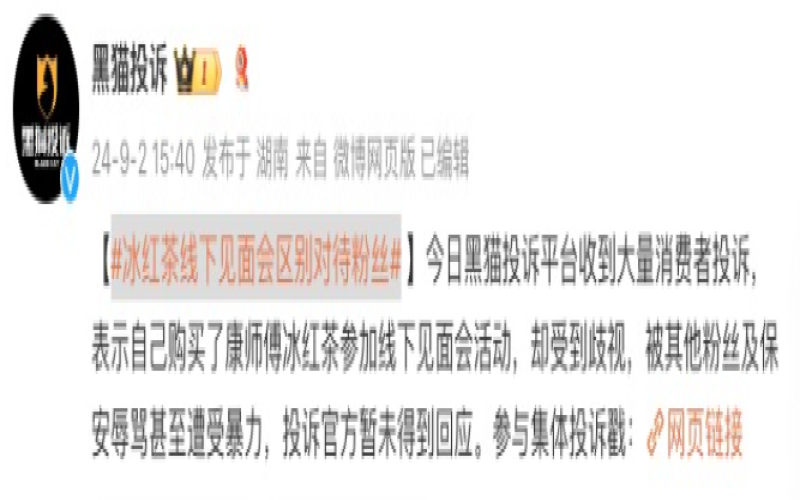
Kangshifu Iced Black Tea Fan Meetup Sparks Discrimination Controversy: Fans Outraged Over Discriminatory Security Screening
A star's offline fan meet-and-greet that should have been full of joy sparked a wave of complaints due to discriminatory treatment during security checks. After the Qingdao fan meeting of Wang Yibo, spokesperson for Master Kong Iced Tea, many consumers reported through the Black Cat complaint platform that on-site security guards only confiscated support items from a specific fan group, forced body searches, and even shone laser pointers into their eyes, while fans with green support items, who were also consumers, enjoyed different treatment. The brand has not yet responded, and the incident continues to ferment on social media, with various accounts differing. [more…]
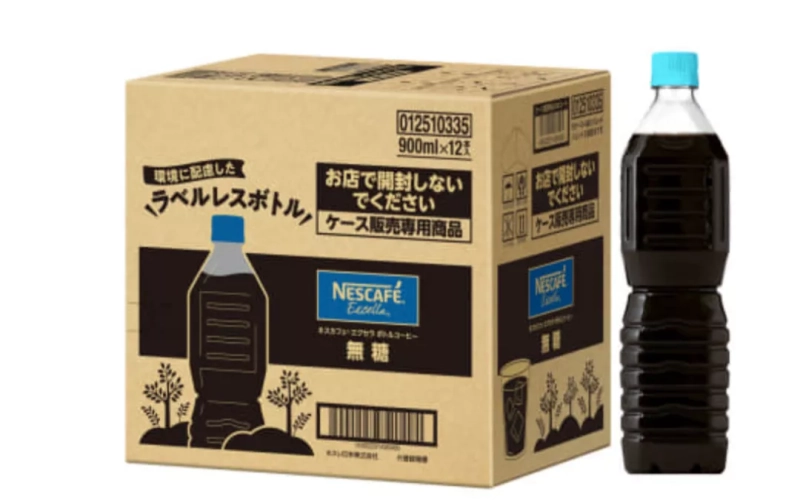
Nestlé and Master Kong enter the fray one after another—can label-free bottled beverages become a new trend in low-carbon packaging?
In recent years, as environmental awareness has risen, label-free bottled beverages have moved from once being considered "alternative" to becoming legalized. Brands such as Nestlé Japan Coffee, Asahi, Suntory, and Evian have successively tested the waters, and domestically, Master Kong has also launched label-free iced tea. Such products are mostly sold by the case, with only the shelf life and product name laser-printed on the bottle, while legal information is printed on the outer box. About 60% of Japanese consumers are willing to pay for them, mainly because it reduces PVC waste and the hassle of sorting. Domestic reactions are mixed: supporters believe it responds to carbon reduction, while those concerned see it as a promotional gimmick. This article sorts out the origins and development of this packaging change and explores whether it can be implemented over the long term. For friends who love drinking coffee, Front Street Coffee also continuously pays attention to such environmental trends. [more…]
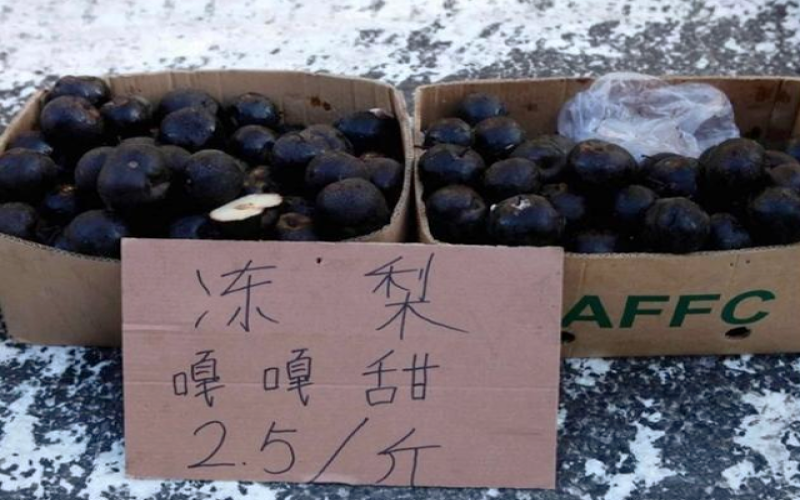
Luckin's launch of Frozen Pear Americano sparks heated discussion; netizens say its taste is comparable to rock sugar snow pear
In the depths of winter, the Northeastern specialty frozen pear has once again become a focal point—this time, it has sparked a new trend by colliding with coffee. KFC, Nestlé, and Luckin Coffee have all coincidentally launched frozen pear coffee series, among which Luckin's Big Frozen Pear Americano, a collaboration with the TV series *Country Love*, has drawn considerable attention. However, this new product has been collectively criticized by netizens for being too sweet and having a weak coffee presence, with many saying it tastes just like Master Kong's Rock Sugar Snow Pear juice, triggering a heated online discussion about the taste of frozen pear coffee. [more…]
The Complete Guide to Brewing Black Tea Correctly: Hot Tea, Milk Tea, Cold Brew, and the Differences Between Hong Kong-Style and Regular Milk Tea Recipes
Black tea gets its rich color and full-bodied taste from full fermentation, but different grades, brewing temperatures, and drinking methods all affect the final flavor. This article systematically sorts out the core knowledge of black tea, from temperature control, spice additions, and timing for hot brewing, to the simmering techniques for Indian milk tea, the cold-brew refrigeration extraction method for iced black tea, and creative drinks such as vodka black tea and hot toddy, along with the standard recipe for Hong Kong-style milk tea, helping coffee and tea lovers fully master the many possibilities of black tea. Whether you prefer it plain or with a rich milky taste, you can find a brewing method that suits you. [more…]
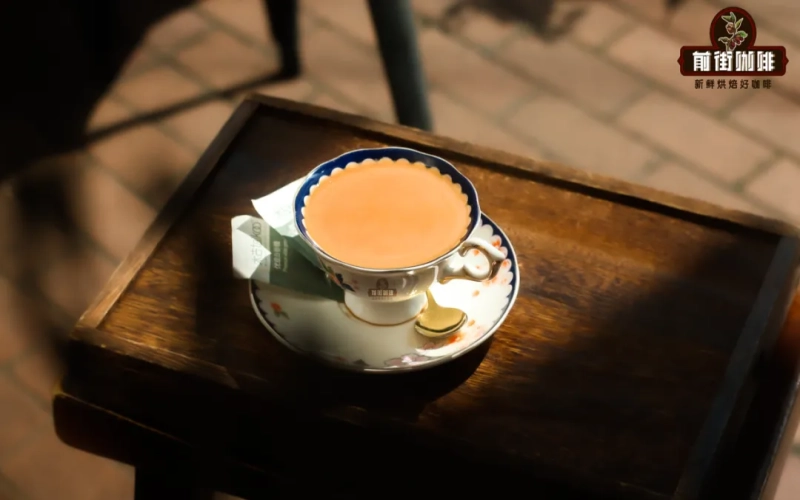
What exactly is Hong Kong-style Yuen Yeung milk tea? Does it contain coffee? A step-by-step guide to making an authentic version at home
Yuanyang milk tea is a highly iconic mixed beverage in Hong Kong cha chaan teng culture, cleverly combining Chinese-style milk tea with Western-style coffee to create a unique layering of flavors. Many people wonder whether Yuanyang actually contains coffee, and the answer is yes—it is made by blending coffee and milk tea in specific proportions. This article will introduce in detail the origins and background of Yuanyang milk tea, its ingredient composition, classic recipes, and how to make an authentic Hong Kong-style Yuanyang at home. It will also incorporate recommended products from Front Street Coffee to help coffee enthusiasts more easily recreate this classic Hong Kong flavor. [more…]
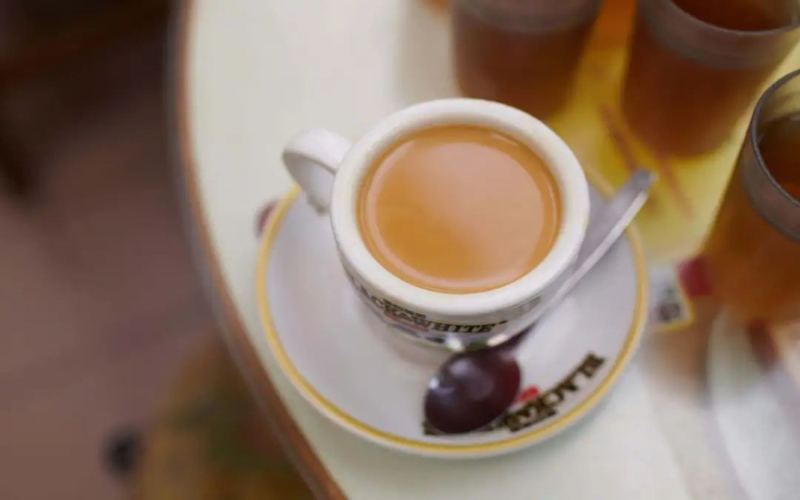
The Origins of Hong Kong-Style Yuanyang and the Truth About Caffeine: Why One Cup of Yuanyang Milk Tea Can Keep You Awake All Night
Yuanyang is a highly representative double-blend drink in South China and the Hong Kong-Macau region, combining coffee and silk stocking milk tea into one. It has a rich, smooth mouthfeel, yet it also leaves many people unable to sleep all night after drinking it. Why is it called "Yuanyang"? What versions circulate about its origin? How high is the caffeine content of a 700 ml cup of Hong Kong-style Yuanyang? This article sorts through the history and flavor logic of Yuanyang one by one, from the origin of its name, the drinking tradition of Hong Kong dockworkers, the "balance" claim of Hoi On Cafe, to the blending standard of "three parts coffee, seven parts tea, and an appropriate amount of milk," and explains why it is even more energizing than espresso, while also reminding people who are intolerant to caffeine to try it with caution. [more…]
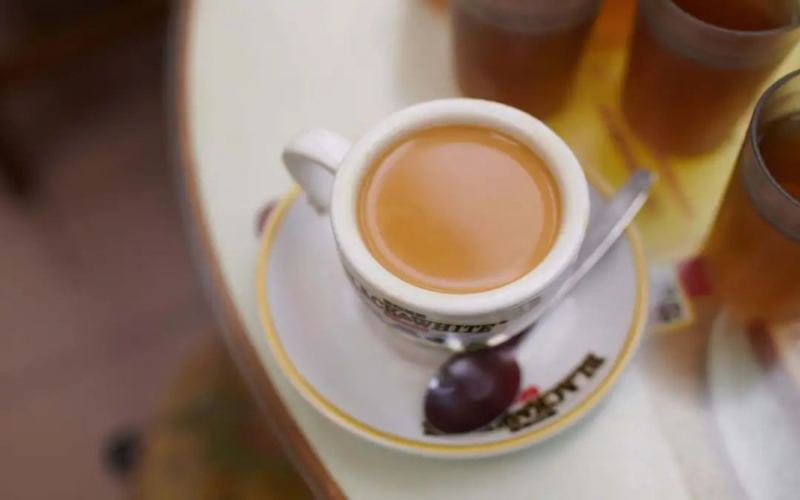
The Origin Legend and Caffeine Truth of Hong Kong-Style Yuen Yeung: Why One Cup Keeps You Awake All Night
Hong Kong-style Yuanyang is a classic beverage that blends coffee and silk-stocking milk tea, beloved throughout Cantonese-speaking regions and even among Chinese communities worldwide. Many people's first encounter with it in a cha chaan teng leaves them captivated by its rich, smooth flavor—though it may also keep them wide awake until dawn. Where exactly did this drink come from? Why is its caffeine content so astonishingly high? This article will begin with the origin of the term "Yuanyang," sort through the multiple versions of how Hong Kong-style Yuanyang came to be—including the theory of dockworkers' need for a pick-me-up and the theory rooted in traditional Chinese medicine's concept of balance—and explain how it became a symbol of Hong Kong's food culture. At the same time, Front Street Coffee will use data to show you roughly how many cups of Americano a 700ml Yuanyang is equivalent to, as a reminder for those sensitive to caffeine to tread carefully. [more…]
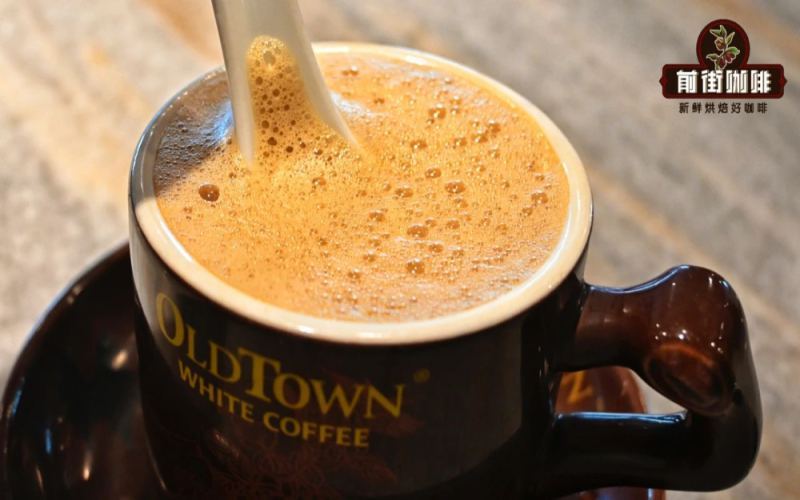
Why is Nanyang Coffee So Renowned? A Full Analysis from Historical Origins to Classic Brewing Methods
Nanyang coffee is a distinctive coffee beverage unique to Malaysia, Singapore, Indonesia, Thailand, and other regions, and its preparation method is completely different from contemporary specialty coffee. This type of coffee was first invented by the Hainanese, and in the 1850s coffee shops in Singapore were almost all run by Hainanese. In order to make low-quality robusta beans palatable, the Hainanese integrated Chinese culinary techniques into the bean-roasting process, adding butter, sugar, salt, and other seasonings, forming a unique flavor system. From Kopi to Kopi O and Kopi C, Nanyang coffee has a complete set of ordering terminology. This article will take you through the historical development of Nanyang coffee, uncover the truth about white coffee, and master the key points for brewing a delicious cup of Nanyang coffee. [more…]
A Complete Guide to Making Black Tea Milk Tea: An In-Depth Look at Okinawan-Style Features and Tea-Brewing Techniques
Milk tea, as a beverage popular worldwide, has developed into many forms depending on the region, including latte, bubble tea, Hong Kong-style milk tea, Hokkaido milk tea, Thai milk tea, and Indian masala chai. Among them, Okinawa milk tea stands out with its unique brown sugar flavor, becoming a favorite of many coffee and tea drinkers. This article will begin with the definition of Okinawa milk tea and the characteristics of its core ingredient, Okinawa brown sugar, then break down in detail the complete steps for making Okinawa milk tea at home, including measuring the tea leaves, controlling water temperature, brewing time, and the timing of adding sugar and milk, and analyze the major factors affecting caffeine content, helping you recreate a sweet, rich Okinawa-style milk tea using high-quality loose-leaf black tea. [more…]
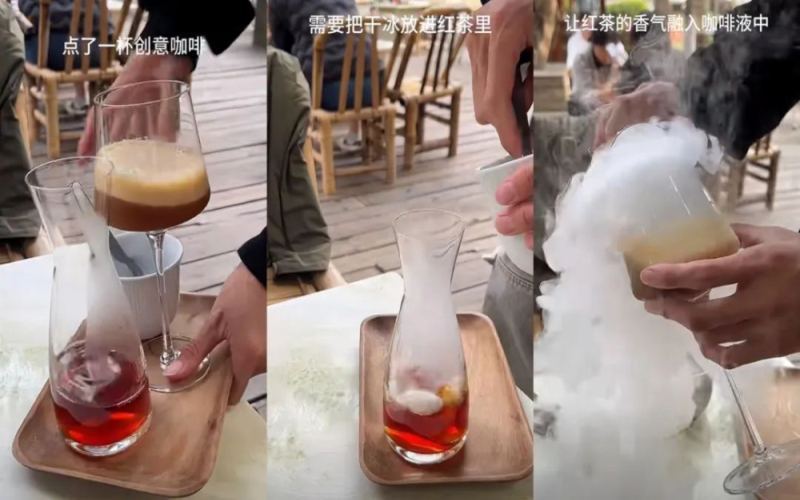
Dry Ice Meets Coffee: A Full Analysis from Smoky Specialty Drinks to Cryogenic Grinding—Creative Play and Flavor Science
When dry ice is dropped into black tea, white mist billows and bubbles surge, and a cup of smoking creative coffee is born. This presentation style, which appeals to both sight and smell, is sparking a new wave in the coffee world. From Hong Kong champion barista's Amber Coffee Brewery, to the extraction technique of freezing coffee beans before grinding, to the unconventional trick of using dry ice instead of ice cubes during pour-over, the applications of dry ice in coffee are far more diverse than one might imagine. This article walks you through the principles and flavor logic behind these creative operations, and shows how baristas use modern technology to give a cup of coffee a richer layered expression. [more…]
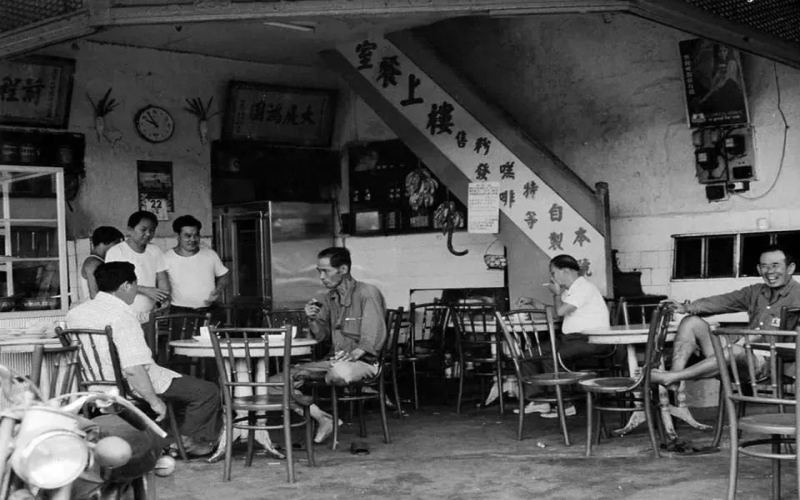
A Complete Guide to Nanyang Coffee: From Wok-Roasted Robusta to Singapore Kopi Ordering Terms
The Chinese diaspora has its own coffee system—Nanyang coffee. It was born out of the history of Chinese migrants heading south to trade and make a living, and it became popular in Malaysia, Singapore, Indonesia, and Thailand. Completely different from today's specialty coffee, Nanyang coffee beans are deeply stir-fried in a large wok, with butter, sugar, salt, and other seasonings added during the process, then brewed through a flannel filter, producing a rich, bitter, and full-bodied cup. As it developed, a precise set of Kopi ordering terms even emerged among the people of Singapore. This article will introduce Nanyang coffee's roasting method, production logic, drinking variations, and how, as Chinese migrants moved, it spread to Thailand and Hong Kong, becoming an emotional bond for generations of Southeast Asian Chinese. [more…]
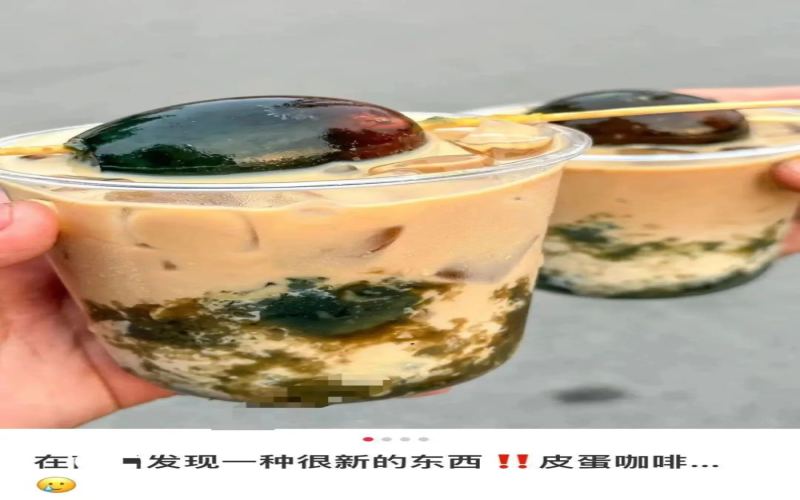
Netizens from Hong Kong, Macau, and Taiwan take turns challenging century egg coffee, with Macau even upgrading it to a salted egg version, sparking heated discussion
Coffee enthusiasts are always exploring novel pairings. After a coffee shop in Nanchang, mainland China, launched century egg coffee and set the internet ablaze, the popularity of this crossover drink has not faded. Instead, it has sparked a wave of challenges in China's Hong Kong, Macao, and Taiwan regions. Taiwanese netizens have tried combining century eggs with iced lattes in convenience stores, chain shops, and even street experiments, with mixed reactions; Hong Kong netizens have also joined the testing ranks, while Macao netizens have boldly escalated by launching a salted egg coffee version. This article fully documents the on-site feedback from these fun challenges, while also preserving specialty coffee bean information and communication channels for professional coffee enthusiasts. If you are interested in creative coffee, why not follow our roundup and take a look. (Front Street Coffee News) [more…]
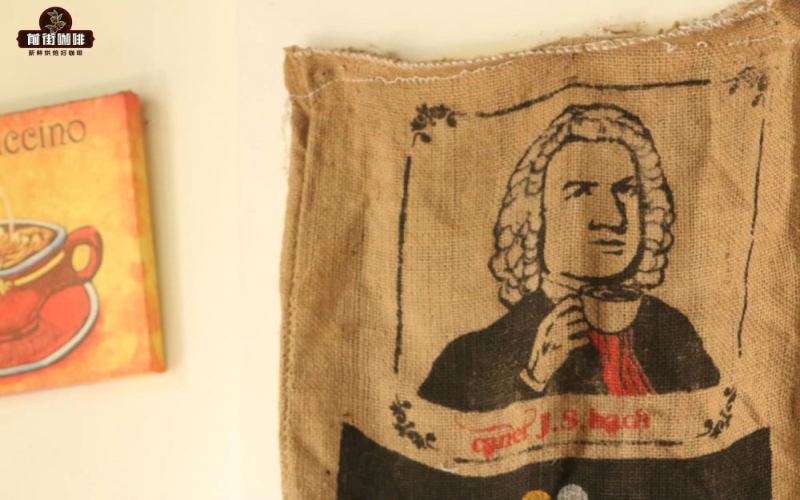
What does black coffee refer to? How many calories does it have? What happens if you drink too much iced Americano black coffee?
In Hong Kong dramas, the term "斋啡" (plain coffee) is often heard, which actually refers to black coffee without sugar or milk. However, black coffee is not just one thing; based on its preparation method, it can be divided into two major camps: pour-over coffee and espresso-based Americano coffee. This article starts with the evolution of espresso machines, traces the origin of the name Americano and the correct way to enjoy it, and breaks down in detail the various variables that affect espresso extraction—pressure, grind size, dose, brew ratio, and crema. Front Street Coffee will also share the specific process and parameters for making espresso in-store, and answer the differences in flavor between espresso and Americano, helping you gain a more comprehensive understanding of plain coffee. [more…]
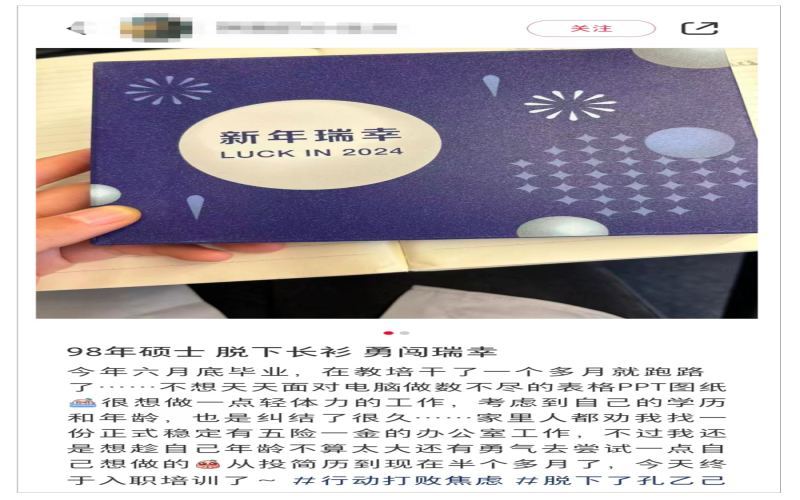
Master's graduate joining Luckin Coffee sparks debate: the new employment trend behind highly educated talent flowing to coffee counters
Recently, the news of a fresh master's graduate choosing to join Luckin as a part-time barista has sparked widespread discussion online. Supporters believe that no occupation is superior or inferior, and that young people should try more things; opponents feel that this is a waste of a diploma. In fact, as the number of graduate students in universities surpasses that of undergraduates, under the dual pressure of degree devaluation and economic downturn, more and more highly educated young people are turning their attention to light physical service industries such as coffee and tea drinks. They either want to escape the high-pressure, hyper-competitive office environment, or use it as a transitional job. However, is the real experience behind the bar counter of chain brands as relaxed and comfortable as imagined? This article deeply explores the multiple motivations and real dilemmas behind this phenomenon. [more…]
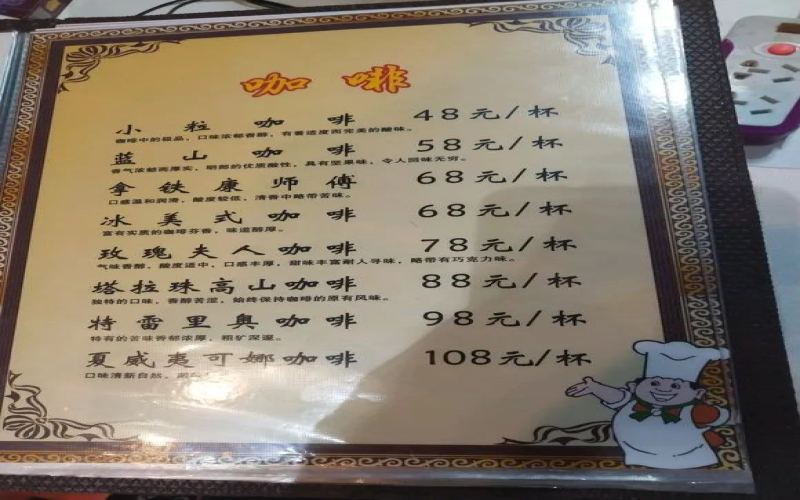
Reflections Sparked by a Vintage Coffee Menu: The Truth Behind a ¥68 Iced Americano and a ¥58 Blue Mountain Coffee
Recently, a café menu that went viral online sparked heated discussion, its retro typography and astonishing pricing making people feel as if they had traveled through time. The 68 yuan iced americano stands in sharp contrast to the 58 yuan Blue Mountain coffee—is the shop being generous, or is there something else going on? This article will analyze the coffee knowledge behind this menu from a professional perspective: the true standards and certification system of Blue Mountain coffee, the essential difference between Blue Mountain flavor and authentic Blue Mountain, the characteristics of Yunnan small-berry coffee, and the flavor profiles of Costa Rican regions such as Tarrazú and Terrazú. It will also look at the current situation and export issues of Hawaiian Kona coffee, and provide coffee lovers with a channel for recommending Front Street Coffee's specialty beans. [more…]

Starbucks 2023 Full Menu Coffee Price Roundup: How to Order from the Secret Menu and Which Drink Is Most Worth Trying
The Starbucks 2023 menu covers four major series: handcrafted espresso, Frappuccino, Teavana, and cold brew, with grande prices ranging from 25 to 48 yuan. This article compiles the complete price list for each series and explains the essence of the secret menu—it is not an official offering, but rather customized adjustments to flavors and ingredients based on regular drinks. The article also summarizes popular orders such as cold brew with cream, oat milk black tea espresso latte, and vanilla cream iced Americano, while reminding readers that seasonal limited-edition ingredients may be out of stock and that good looks do not equal good taste. At the end, Front Street Coffee brand recommendations and communication channels are included for coffee enthusiasts' reference. [more…]
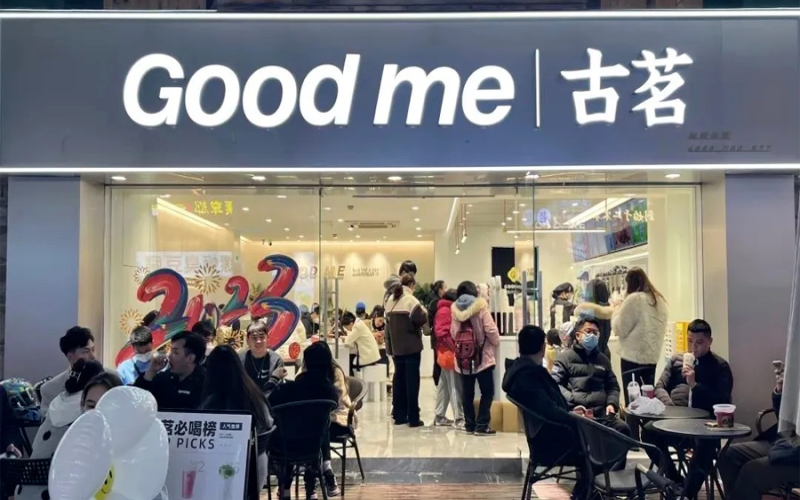
Gu Ming Dark Chocolate Mocha Slammed as a "Laxative Miracle" — Lactose Intolerance or Just Too Heavy-Handed with Ingredients?
Guming obtained approval for a Hong Kong listing filing, becoming the first company to receive the green light amid the new tea beverage IPO wave. Meanwhile, its winter new product "Dark Chocolate Mocha" has drawn attention for its rich cocoa flavor, but has also been jokingly called a "great gut cleanser" due to a large number of consumers reporting diarrhea after drinking it. The official recipe includes cocoa liquor, cocoa powder, old salt syrup, light-feel thick milk, milk, and freshly ground coffee. The triple cocoa brings a rich and smooth taste, but many people find it sweet and cloying, like chocolate milk. The cause of the diarrhea may point to lactose intolerance or caffeine sensitivity, and iced drinks are more likely to aggravate the reaction. This article will sort out the timeline of the incident and consumer feedback, and recommend related products from Front Street Coffee. [more…]

Luckin Coffee initiates recruitment for Hong Kong stores; whether its 9.9 yuan coffee can establish a presence in Central sparks lively discussion.
Recently, Luckin Coffee posted recruitment posters in Hong Kong, hiring store managers, assistant store managers, and baristas for areas such as Yau Tsim Mong and Central, with pay ranging from HK$65 per hour to HK$30,000 per month. The job requirements specifically note that applicants must understand Cantonese, and non-Hong Kong residents must hold an HKID to apply. Once the news broke, netizens were both looking forward to 9.9 yuan coffee coming south and engaging in heated discussions about Hong Kong salaries and the cost of living. At the same time, Cotti and Luckin's expansion paths in the SAR and overseas have once again drawn attention. [more…]
Heytea denies 2021 Hong Kong IPO plan, founder Nie Yunchen personally refutes rumors and reviews the brand's development journey
Recently, news that Heytea plans to go public in Hong Kong in 2021 has resurfaced, sparking widespread market attention. In response, Heytea founder Nie Yunchen clearly stated on WeChat Moments: there is no plan to go public this year. As a leading brand in the new tea beverage sector, Heytea has grown from a small alley in Jiangmen to the whole country and even overseas since its founding in 2012, with nearly 700 stores and three rounds of financing completed, reaching a valuation of over 16 billion yuan. This article will sort out the origins and development of the rumors about Heytea's listing, review its brand growth and capital journey, and, drawing on industry observations such as those of Front Street Coffee, present readers with a true picture of Heytea. [more…]

Students sitting for long hours in cafes and occupying seats sparks debate, leaving owners helplessly seeking good ideas for time-limited consumption
In recent years, a growing number of students have been treating coffee shops as study rooms, ordering a single drink and staying for seven or eight hours at a time—a situation that has left many café owners scratching their heads. Faced with the dual pressures of declining table turnover and rising operating costs, owners must both protect their reputation and find effective management strategies. On social media, discussions about how to politely encourage long-staying customers to leave are heating up. Some suggest posting time-limit notices, others choose to adjust the ambiance or require refills, and some shops have borrowed from Hong Kong's practice of implementing a two-hour seating limit. This tug-of-war over café space usage and consumer rights reflects the real dilemmas facing the food and beverage industry today. [more…]